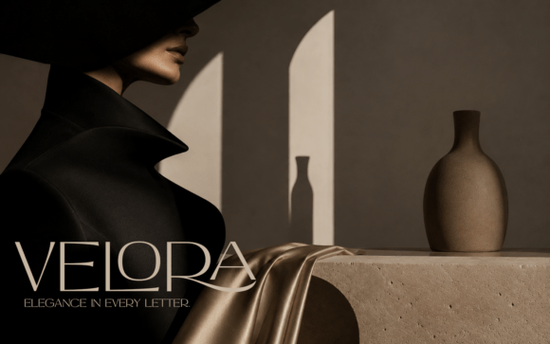
Choosing the right typography sets the tone for any creative project. When you need something that feels expensive and clean, the Velora Font is a strong option. It brings a sense of modern refinement without being too loud. Designers often look for typefaces that balance structure with elegance, especially for high-end clients. This specific typeface offers geometric architectural lines that work well when you want your layout to feel organized and sophisticated. It is not just about picking letters; it is about creating an atmosphere that matches the brand's identity.
What makes this typeface suitable for luxury branding?
Luxury branding relies heavily on whitespace and clarity. A cluttered font can make a high-end product look cheap. The clean modernist crossbars found in this family help maintain readability even at smaller sizes. One distinct feature is the low-seated horizontal alignment. This gives the text a stable foundation, which subconsciously signals reliability to the viewer. Additionally, the sweeping contextual leg on the terminal capital 'R' adds a unique touch. It cascades like liquid silk along the layout grid, providing a subtle flourish without breaking the minimalist theme.
When working on identity projects, consistency is key. You want a font that holds up across different mediums. Whether it is on a business card or a large storefront sign, the crisp lines remain clear. This reliability is why many artisans choose similar styles for their labels. It allows the product itself to shine while the typography supports the premium feel. If you are exploring options in this category, you might also consider looking at the Rosvelle Font to see how different geometric sans-serifs handle spacing and weight.
Where can designers apply this style effectively?
This style is versatile enough for various industries, but it excels in specific niches. High-fashion editorial presentations often require headers that command attention without shouting. The ultra-sophisticated minimalism fits perfectly here. It complements high-resolution photography rather than competing with it. For avant-garde interior house styles, this typeface works well on wall graphics or printed lookbooks. It suggests a modern, curated environment.
Small businesses selling artisanal fragrances or bespoke goods can also benefit. A fragrance label needs to look elegant on a small bottle. The geometric shapes ensure that the brand name is legible even when printed small. Social media headlines also require impact. In a fast-scrolling feed, clean lines stop the eye more effectively than ornate scripts. For those interested in architectural atelier headers, this font provides the structural look needed to convey precision. If you need something slightly different but still within the sans-serif family, the Orcha Font might offer an alternative variation for your toolkit.
How do you pair this with other design elements?
Pairing typography is about contrast and harmony. Since this font is a display sans, it works best when paired with a simple serif for body text. This creates a classic high-low dynamic that many luxury brands use. Avoid pairing it with another geometric sans unless you are varying the weights significantly. Too much similarity can make the design feel flat. Use bold weights for headlines and light weights for captions to create hierarchy.
Color choice matters too. Black on white is classic, but deep charcoal on cream can soften the look for a more organic feel. Ensure there is enough contrast for accessibility. When placing text over images, use a solid background box or a text shadow if the image is busy. The clean lines of the font can get lost against complex textures. Always test your designs on multiple screens. What looks good on a desktop monitor might need adjustment on a mobile device. For more information on typography trends, you can refer to external resources like Google Fonts to compare styles.
What should you check before finalizing your design?
Before you send files to print or publish them online, review the kerning. Geometric fonts sometimes need manual adjustment between specific letter pairs. Check the spacing around the capital 'R' since it has a unique terminal. Ensure it does not collide with adjacent letters. Also, verify the licensing terms for your specific use case. Some licenses cover personal use only, while others allow commercial products. Make sure you are compliant to avoid issues later.
Finally, consider the longevity of the design. Trends change, but minimalism tends to last longer than ornate styles. Investing time in a clean layout now can save you from rebranding soon. Keep your layout grid consistent. Align your text boxes to the same baseline as your images. This attention to detail is what separates amateur work from professional results. Take your time to tweak the leading and tracking until the text breathes properly on the page.
- Check Kerning: Manually adjust spacing between tricky letter pairs.
- Test Contrast: Ensure text is readable against all background colors.
- Verify Licensing: Confirm your license covers commercial use if selling products.
- Review on Mobile: Check how the headlines look on smaller screens.
- Align Grids: Keep text baselines consistent with image edges.
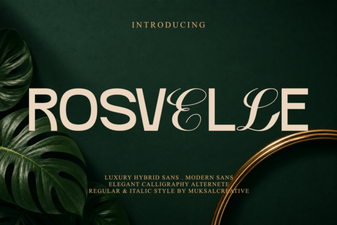 Explore Rosvelle Font for Creative Projects
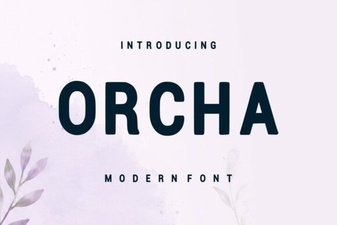 Download Orcha Font for Creative Projects
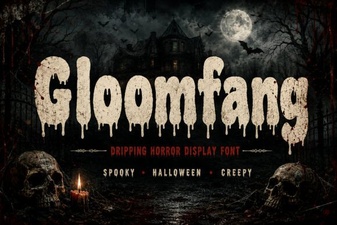 Gloomfang Font: a Designer's Gothic Typography Guide
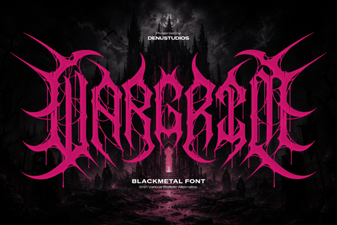 Wargrim Font: a Bold Tool for Creative Projects
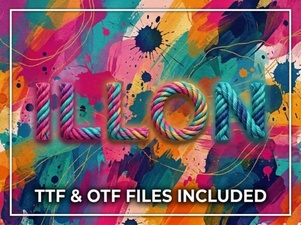 Illon Font: Creative Projects & Typography Ideas
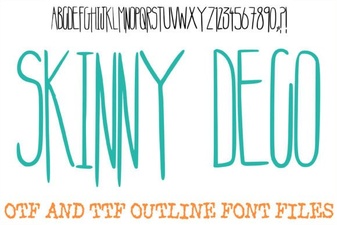 The Skinny Deco Font for Modern Graphic Design