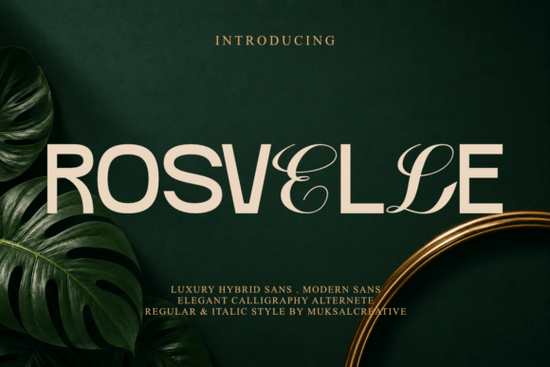
Choosing a typeface for luxury branding often feels like walking a tightrope. You need structure to maintain readability, but enough flair to convey elegance. The Rosvelle Font addresses this challenge by blending clean contemporary letterforms with graceful calligraphy alternates. It offers a distinctive luxury aesthetic suitable for sophisticated branding projects without sacrificing clarity. For designers working on high-end visual identities, finding a type family that balances these opposing traits is essential for creating memorable work.
What makes this typeface unique compared to standard sans serifs?
Most sans serif fonts prioritize function over form, resulting in clean but sometimes sterile text. This hybrid typeface introduces a refined sans foundation complemented by carefully crafted alternate characters. These alternates introduce a touch of expressive beauty and editorial charm that standard geometric fonts lack. Whether used subtly in body text or prominently in headlines, these features allow designers to create unique typography compositions. If you are exploring similar modern options, you might also look at our collection of contemporary sans serifs to see how different weights and styles impact brand perception.
The key difference lies in the versatility. You can maintain a corporate look for official documents while switching to the calligraphic alternates for invitations or packaging. This duality saves time because you do not need to pair two different font families to achieve contrast. It keeps the visual identity cohesive while still providing enough variation to keep the audience engaged. This approach is particularly useful for small businesses that need to stretch their branding assets across multiple platforms.
Who benefits most from this style for their projects?
This typeface is ideal for industries where perception matters as much as information. It is perfect for luxury branding, beauty products, and fashion campaigns where the visual tone must communicate quality immediately. Jewelry packaging also benefits from this style, as the elegant alternates mimic the precision of handcrafted items. Editorial layouts use these fonts to guide the reader's eye without overwhelming the content. For wedding stationery, the calligraphic touches add a personal feel that standard digital fonts cannot replicate.
Print-on-demand sellers can also leverage this asset for niche markets. T-shirts, tote bags, and posters targeting the bridal or lifestyle sectors perform well with this aesthetic. Logos and premium visual identities require distinctiveness, and this tool provides that through its alternate characters. You can read more about how we analyze these assets in our detailed breakdown to understand licensing and file formats better. Understanding the specific use cases helps you decide if this investment fits your current client needs or product line.
How do you maximize the alternate characters effectively?
Using alternate characters requires a bit of restraint to maintain professionalism. The goal is to enhance the design, not distract from the message. Start by using the standard sans serif forms for body text to ensure readability on smaller screens or printed materials. Reserve the graceful calligraphy alternates for initials, drop caps, or key words in a headline. This creates a hierarchy that guides the viewer through the design naturally. Overusing the flourishes can make the text hard to read, especially at smaller sizes.
Designers should test different combinations before finalizing a layout. Some alternates work better in all-caps, while others shine in lowercase settings. If you enjoy experimenting with hybrid styles, you might find the Orcha typeface interesting as well. It offers a different take on modern typography that could complement this one in a larger design system. We have also cataloged similar options in our resource library for quick comparison. Testing kerning and spacing with the alternates is crucial, as the extra flourishes may require adjusted tracking to prevent collisions.
What should you consider before downloading?
Always check the license agreement to ensure it covers your intended use. Some licenses allow personal projects but require an upgrade for commercial products like POD items. Verify that the file formats included work with your design software, whether you use Adobe Illustrator, Canva, or Procreate. Installing the font correctly on your operating system ensures all alternates are accessible through your glyph panel. Keeping your font library organized helps you locate these assets quickly when deadlines approach.
Investing in quality typography is a long-term strategy for your creative business. High-quality assets reduce the time spent tweaking text effects and allow you to focus on layout and composition. When clients see polished typography, they perceive the entire project as more valuable. This perception can justify higher pricing for your services or products. Make sure to back up your files after purchase so you always have access to your tools.
Quick Checklist for Using Hybrid Fonts
- Check Licensing: Confirm commercial use rights before selling products.
- Test Readability: Ensure body text remains clear at small sizes.
- Limit Alternates: Use calligraphic characters sparingly for emphasis.
- Adjust Spacing: Modify kerning to accommodate extra flourishes.
- Backup Files: Save your download in a dedicated font folder.
Start by downloading the trial version if available to test the alternates in your specific workflow. This ensures the style matches your brand voice before committing to the full license. Proper implementation of these tools can significantly improve the perceived value of your creative work.
Try It Free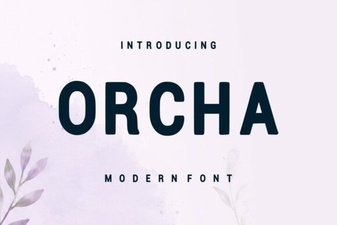 Download Orcha Font for Creative Projects
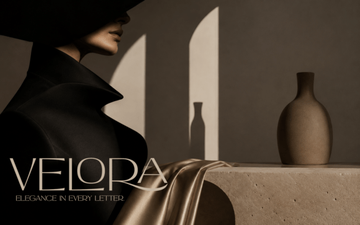 The Velora Font: Modern Serifs for Digital Design
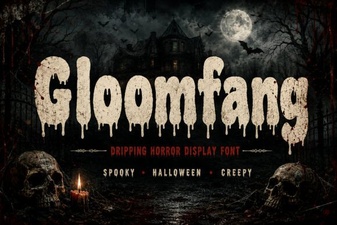 Gloomfang Font: a Designer's Gothic Typography Guide
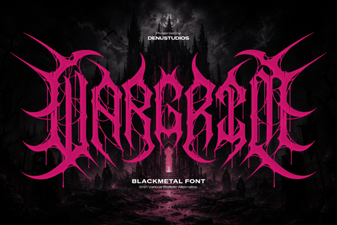 Wargrim Font: a Bold Tool for Creative Projects
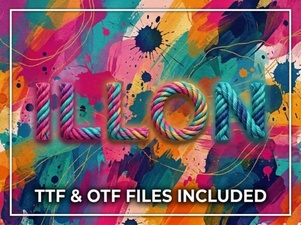 Illon Font: Creative Projects & Typography Ideas
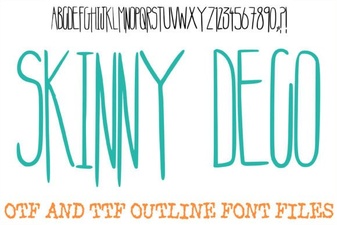 The Skinny Deco Font for Modern Graphic Design