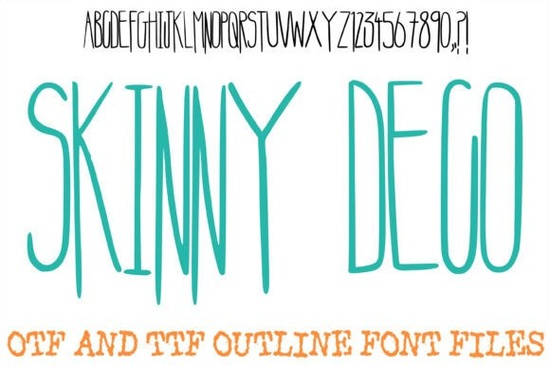
Designers often struggle to find a display typeface that feels both structured and organic. The Skinny Deco Font solves this by mixing Art Deco geometry with a hand-drawn feel. It is ultra-tall and condensed, making it ideal for layouts where vertical space is limited but impact is needed. Unlike standard sans-serifs, this typeface offers a relaxed charm that keeps designs from feeling too rigid.
The key characteristic here is the dramatically elongated vertical strokes. These narrow profiles create an elegant presence without taking up much horizontal room. This makes it a premier choice for boutique packaging or trendy social media graphics where space is at a premium. The design features a playful variation in stroke baseline and height, giving words an organic, rhythmic bounce. Despite this whimsy, the fine, uniform line weight ensures a clean, contemporary look.
What defines the look of this typeface?
This font blends retro Art Deco geometry with modern aesthetics. The tall structure draws the eye upward, which is useful for creating hierarchy in a design. It fits perfectly into modern bohemian or mid-century themes. Because the letters are so narrow, you can fit longer titles into smaller spaces without reducing the font size too much. This helps maintain readability on small screens or printed labels.
The organic bounce in the baseline prevents the text from looking like it was generated by a machine. This subtle imperfection adds warmth. It is particularly effective for creative home decor projects, such as wall prints or signage, where a sterile look might feel unwelcoming. The sleek sophistication allows it to work for high-end branding while remaining approachable.
Where does this font work best?
Knowing where to apply this typeface ensures you get the most value from it. It shines in contexts that require a blend of elegance and fun. Here are some specific use cases:
- Minimalist wedding invitations: The thin lines look delicate and sophisticated on high-quality cardstock.
- Chic menu headings: Restaurants can use it to highlight sections without overwhelming the dish descriptions.
- Product labels: Perfect for skincare or coffee packaging where a clean, artisanal vibe is needed.
- Editorial titles: Magazines and blogs can use it for headlines that need to stand out against body text.
If you are exploring similar tall lettering styles, you might also look at other condensed options that share this vertical emphasis. For projects requiring a bit more flair, pairing it with elegant capital scripts can create a luxurious contrast. The goal is to balance the narrowness of the display font with something that fills out the space.
How should you pair it with other styles?
Pairing is critical when using a condensed display font. Since the letters are tall and thin, they need a partner that is grounded. A simple sans-serif body text often works well to maintain readability. However, if you want to lean into the retro vibe, consider combining it with vintage-inspired choices that match the mid-century aesthetic.
For wedding or invitation designs, you might want something softer. Flowing options like fluid handwriting styles can complement the rigid geometry of the deco font. This combination creates a dynamic tension between structure and freedom. Just ensure the script font is legible at smaller sizes.
When creating social media graphics, contrast is key. Use supportive pairings like versatile text partners for your captions or secondary information. This keeps the focus on the main headline while ensuring the rest of the message is clear. Avoid using another condensed font for body text, as this can make the overall layout feel too cramped.
What are the technical tips for readability?
Even though this typeface is stylish, readability should never be sacrificed. Because the strokes are fine, avoid using it on busy backgrounds. A solid color or a very subtle texture works best. If you must place it over an image, use a drop shadow or a backing shape to ensure the letters pop.
Kerning is also important. While the font has tight narrow profiles, some letter combinations might need manual adjustment. Pay attention to pairs like "VA" or "To" where the shapes might overlap awkwardly. Increasing the line height slightly can also help the airy feel of the font breathe, especially in all-caps layouts.
Remember that this is a display typeface. It is not designed for long paragraphs of body text. Use it for headlines, titles, and short labels. For anything longer than three lines, switch to a more robust font family. This ensures your audience can read the content without straining their eyes.
Quick Design Checklist
- Use for headlines and short labels, not body text.
- Pair with a simple sans-serif or a soft script for contrast.
- Ensure high contrast against the background color.
- Check kerning on specific letter pairs manually.
- Keep line height open to maintain the airy feel.
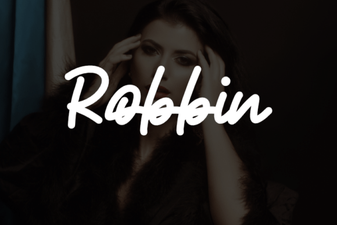 Robbin Font: Creative Typeface Ideas and Applications
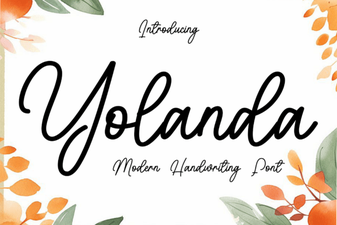 Introducing Yolanda Font: a Fresh Modern Design Choice
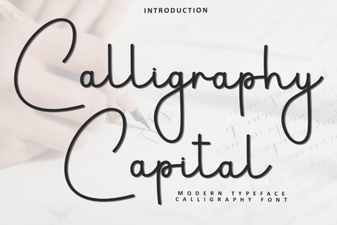 Creative Capital Fonts for Modern Calligraphy Projects
 Supporty Font: a Modern Design Companion
 Heatwave Font: Bold Designs & Creative Projects
 Snuggly Font: Projects for Creative Design