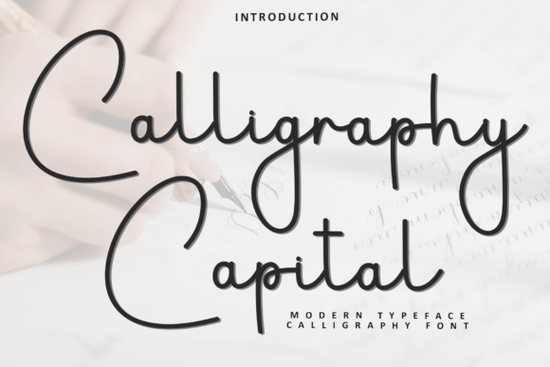
Finding the right typeface for a project often comes down to the feeling you want to convey. When you need something that feels personal yet polished, Calligraphy Capital Font offers a soft, unique touch that stands out without being too loud. Its distinctive strokes give it a special character, making it meaningful for various creative works. Whether you are designing a logo or creating handmade crafts, this natural font style fits well across different artistic fields.
What makes this script style unique?
The appeal of this typeface lies in its balance between elegance and readability. Unlike some script fonts that are hard to decipher, this one maintains clear letterforms while keeping a hand-drawn aesthetic. The strokes are designed to look organic, which helps designs feel less mechanical. This is particularly useful for brands that want to appear approachable and authentic.
For designers who enjoy experimenting with different vibes, comparing this to other options can be helpful. For instance, if you prefer something with more flow, you might look at our breakdown of the Heatwave style guide. Alternatively, if you want to download the actual file for your project, you can search for the Calligraphy Capital Font directly on the marketplace.
Where can you use this typeface effectively?
Versatility is key when investing in design assets. This font works well for both digital and physical products. Because it is compatible with Windows and open-source platforms, you do not need specialized software to start using it. Here are a few common applications:
- Print-on-Demand: Great for t-shirts, mugs, and tote bags where text needs to be the focal point.
- Wedding Invitations: The soft touch adds a romantic feel to stationery.
- Social Media Graphics: Helps quotes and announcements stand out in a feed.
- Packaging Labels: Ideal for handmade soaps, candles, or boutique items.
If you are working on packaging, you might also consider how it pairs with thinner styles. We have previously discussed how deco elements can complement heavier scripts. For those ready to start creating, grabbing the Skinny Deco Font could provide a nice contrast for secondary text.
Is it good for small business branding?
Yes, especially for businesses that rely on a personal connection with their customers. A logo using this script can communicate care and attention to detail. It suggests that there is a human behind the brand, not just a corporation. However, branding often requires a suite of fonts to handle different hierarchies. You might need a secondary option for body text or subheaders.
In our analysis of versatile scripts, we noted how Yolanda styles handle legibility at smaller sizes. If you need an alternative for specific branding elements, checking out the Yolanda Font might be worth your time. Mixing fonts requires care, but when done right, it strengthens your visual identity.
How does it handle technical compatibility?
One of the frustrations with creative tools is when they do not work across different devices. This font is designed to be straightforward to install and use. It supports various characters, ensuring you have the punctuation and symbols needed for complete sentences. This reduces the need to switch fonts mid-project, which can break the visual flow.
For crafters using cutting machines, file compatibility is crucial. This typeface generally works well with standard design software used in the crafting community. If you are looking for something with a bit more bounce or rhythm, we explored similar characteristics in our Robbin feature. You can also find the Robbin Font if you want to compare the stroke weights directly.
What should you check before downloading?
Before adding any new asset to your library, ensure it matches your project's licensing needs. Most creative marketplaces offer different licenses for personal and commercial use. Always read the terms to confirm you can use the font for client work or products you intend to sell. Additionally, check the file formats included to make sure they work with your specific software version.
Keeping your font library organized helps you work faster. Tagging your files by style, such as script, serif, or display, saves time when you are under a deadline. It also helps you spot gaps in your collection where a new purchase might be useful.
Quick Checklist for Font Selection
To ensure you choose the right tool for your next design, run through these steps:
- Define the Mood: Does the project need to feel elegant, playful, or serious?
- Check Legibility: Test the font at different sizes to ensure it remains readable.
- Verify License: Confirm you have the right to use it for commercial purposes if needed.
- Test Compatibility: Install the font and type a sample sentence in your design software.
- Pair Wisely: Choose a secondary font that complements the script without competing.
Taking a moment to evaluate these factors prevents headaches later in the design process. With the right typeface, your creative work will resonate better with your intended audience.
Download Now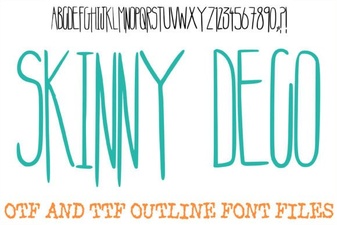 The Skinny Deco Font for Modern Graphic Design
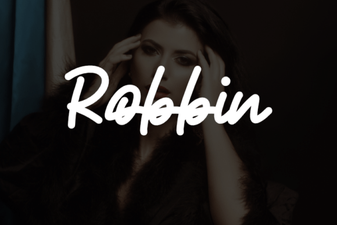 Robbin Font: Creative Typeface Ideas and Applications
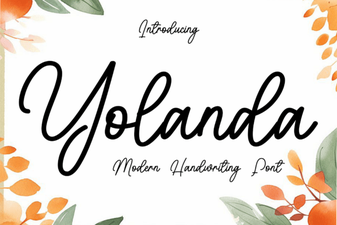 Introducing Yolanda Font: a Fresh Modern Design Choice
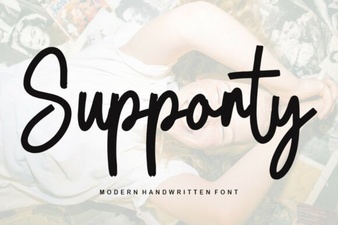 Supporty Font: a Modern Design Companion
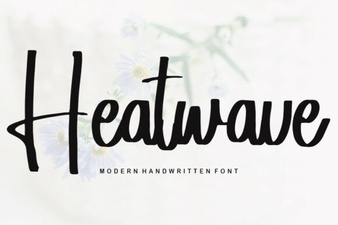 Heatwave Font: Bold Designs & Creative Projects
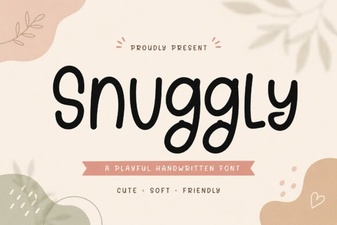 Snuggly Font: Projects for Creative Design