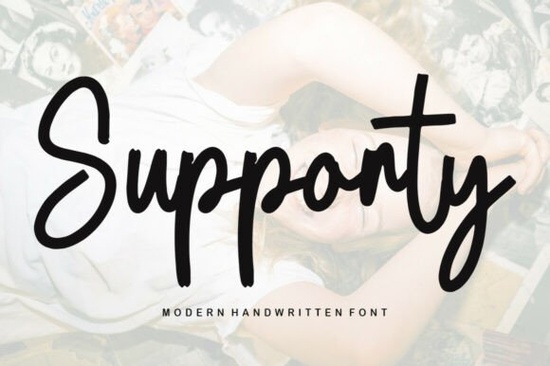
Finding the right handwriting style for a project can be tricky. You want something that looks personal but remains readable across different materials. The Supporty Font is a great option for those needing a trendy script. It works well for invitations, logos, and print-on-demand items. Many designers look for typefaces that feel handmade without sacrificing clarity. This specific typeface offers a balance between style and function, making it a solid choice for small business owners and hobbyists alike.
What makes this script suitable for handmade projects?
The core appeal of this typeface lies in its organic feel. Unlike rigid geometric fonts, this script mimics the flow of a real pen on paper. This quality is essential for brands wanting to appear approachable and authentic. When you use it on packaging or social media graphics, it adds a human touch that sterile fonts often lack. The strokes are designed to be trendy and stylish, ensuring your work does not look outdated quickly.
For print-on-demand sellers, readability is key. Whether printing on a mug or a t-shirt, the letters need to stand out. This font maintains legibility even when resized, which is crucial for products with limited surface area. It is not just about looks; it is about performance in real-world applications.
How do you access the extra glyphs and swashes?
One technical feature that sets this product apart is that it is PUA encoded. PUA stands for Private Use Area. In simple terms, this means all the special characters, alternate letters, and decorative swashes are mapped to standard keys on your keyboard. You do not need complex software or character map tools to find them.
To use these features, you simply type specific keys as instructed in the font file documentation. This saves time during the design process. If you are new to this, you might want to view more details on this typeface to understand the full character set available. Having easy access to swashes allows you to customize words uniquely, ensuring no two designs look exactly the same.
How does it compare to other handwritten styles?
Every project has different needs. Sometimes a bold script is too heavy, and other times a thin line gets lost on dark fabrics. If you are looking for something with a softer feel, you might explore our cozier typeface collection. These options often provide a warmer vibe suitable for baby-related products or comforting brand messages.
Alternatively, you might prefer a different flow. Some designers like a bouncier baseline, similar to alternative handwritten styles. Comparing these options helps you decide which weight and slope fit your specific layout. The goal is to match the font personality with your brand voice.
When should you choose uppercase calligraphy variants?
Certain designs require strong capital letters to create hierarchy. If your project relies heavily on initials or monograms, you might need uppercase calligraphy variants. While this script includes capitals, dedicated calligraphy fonts often exaggerate these forms for dramatic effect. Use this product when you need balance between upper and lower case rather than just decorative initials.
For minimalist designs, weight matters. Some projects need less visual bulk. You could explore thinner deco styles for that specific look. However, for general-purpose crafting, a medium weight like this one offers versatility. It works on light and dark backgrounds without needing excessive outlining or shadows.
What are the best practices for installation and usage?
Before starting your design, ensure the font is installed correctly on your operating system. Restart your design software after installation so the font appears in your list. Always check the license terms before selling items. Most creative fonts allow commercial use, but verifying this protects your business.
When pairing fonts, keep it simple. Combine this script with a clean sans-serif for body text. This creates contrast and helps the viewer focus on the important words. Avoid pairing it with another complex script, as this can make the design look cluttered and hard to read.
- Check PUA support: Ensure your design software supports PUA encoded fonts to access all swashes.
- Test readability: Print a sample at actual size to verify legibility on your chosen material.
- Review licensing: Confirm commercial rights before using the font on products for sale.
- Backup files: Keep a copy of the font file in a dedicated folder for future projects.
Taking these steps ensures a smooth workflow. Good typography choices build trust with your audience. By selecting a versatile script, you reduce the time spent searching for new fonts for every single project. This allows you to focus more on creating and less on hunting for resources.
Try It Free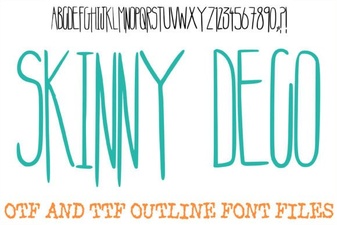 The Skinny Deco Font for Modern Graphic Design
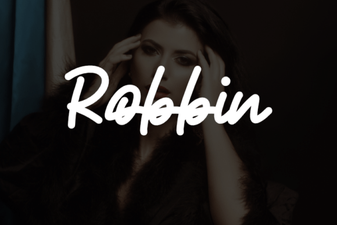 Robbin Font: Creative Typeface Ideas and Applications
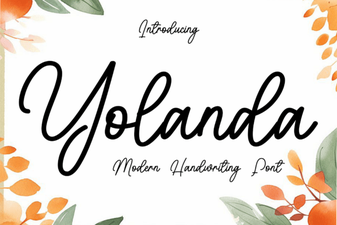 Introducing Yolanda Font: a Fresh Modern Design Choice
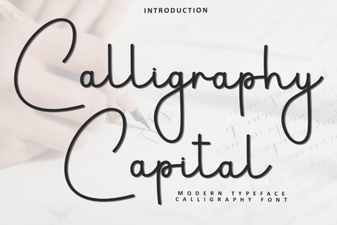 Creative Capital Fonts for Modern Calligraphy Projects
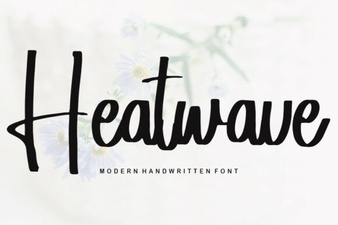 Heatwave Font: Bold Designs & Creative Projects
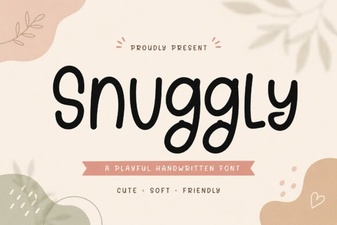 Snuggly Font: Projects for Creative Design