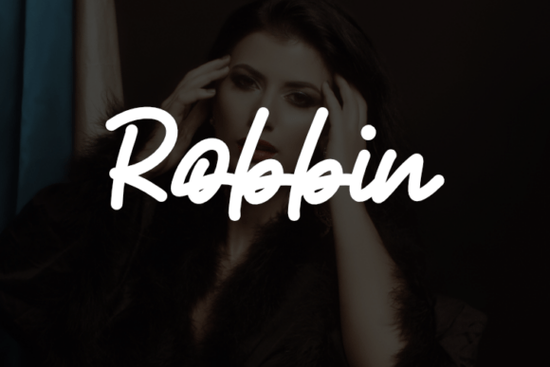
Choosing the right typeface can make or break a design project, especially when you need something that balances elegance with readability. The Robbin Font is a modern option designed to handle various media types without losing clarity. Whether you are creating invitations, branding materials, or social media graphics, having a versatile typeface in your toolkit saves time and ensures consistency. This script style offers flexibility that works well for both digital screens and print outputs.
Many designers struggle to find fonts that look professional yet remain easy to read across different platforms. With its OpenType Font (.otf) file format, this typeface ensures superior cross-platform compatibility. You can use it in Adobe Creative Suite, Microsoft Office, and most other design software without worrying about formatting errors or missing characters. This reliability is crucial for small businesses and creative hobbyists who need their work to look polished everywhere.
What makes this typeface stand out for designers?
The primary appeal of this font lies in its modern and elegant structure. It avoids the overly decorative elements that often reduce legibility, focusing instead on clean lines and balanced spacing. This makes it suitable for body text as well as headlines. When you are working on a project that requires a touch of sophistication without sacrificing readability, this style fits the bill perfectly.
For those who enjoy experimenting with similar styles, there are other options worth exploring. If you prefer something slightly softer, you might look into the Snuggly Font, which offers a cozy feel for personal projects. Alternatively, the Heatwave Font provides a warmer tone that works well for summer-themed designs. Having a variety of script options allows you to match the typography to the specific mood of your client's brand.
How does it handle different software environments?
Compatibility is often a hidden headache for creatives. You might design something beautiful on your computer, only to find it looks broken on a client's device. Because this typeface uses the .otf format, it bridges the gap between different operating systems and applications. It installs easily on both Windows and Mac, ensuring that your files remain intact when shared.
This stability is particularly important for print-on-demand sellers. When you upload designs to merchandise platforms, the text needs to render correctly every time. Using a reliable font reduces the risk of rejected files or unhappy customers. It also simplifies your workflow, as you do not need to convert files or worry about licensing issues across different tools.
Are there similar styles to consider for variety?
While this typeface is versatile, sometimes a project calls for a different vibe. If you need something with more traditional calligraphy influences, the Yolanda Font might be a better fit for formal invitations. On the other hand, if you need a sturdy script that holds up well at smaller sizes, the Supporty Font offers excellent structural integrity. Comparing these options helps you build a well-rounded library.
It is also helpful to understand the basics of typography pairing. Mixing script fonts with clean sans-serif fonts often creates a balanced look. You can learn more about typography principles to improve your design decisions. Understanding how fonts interact prevents your layouts from looking cluttered or confusing.
Who should use this font for their projects?
This typeface is ideal for a wide range of users, from professional graphic designers to DIY crafters. Small business owners creating their own logos will find the elegant lines helpful for establishing a premium brand identity. Crafters making custom decals or stickers can also benefit from the clean cut paths that many script fonts provide.
Print-on-demand sellers will appreciate the consistency it offers across different products. Whether you are printing on t-shirts, mugs, or posters, the text remains clear. Creative hobbyists working on scrapbooks or personal gifts will also find the modern style appealing. It strikes a balance between being unique enough to stand out and standard enough to remain readable.
Before finalizing your choice, consider where the text will appear. If it is for a large headline, you have more freedom with decorative elements. For smaller text, prioritize readability. Always test your font at the actual size it will be used to ensure it meets your needs.
Quick Checklist for Selecting Your Typeface
- Check Compatibility: Ensure the file format works with your specific design software.
- Test Readability: View the font at different sizes to confirm legibility.
- Consider Pairing: Think about what other fonts you will use alongside it.
- Review Licensing: Make sure the license covers your intended commercial or personal use.
- Compare Options: Look at similar styles to ensure you have the best fit for the project mood.
Taking these steps ensures you choose a font that enhances your design rather than complicating it. With the right typeface, your creative work will communicate your message clearly and professionally.
Explore Design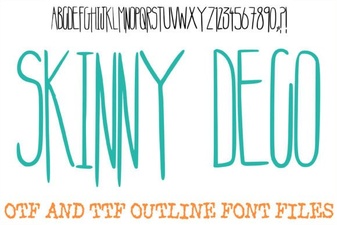 The Skinny Deco Font for Modern Graphic Design
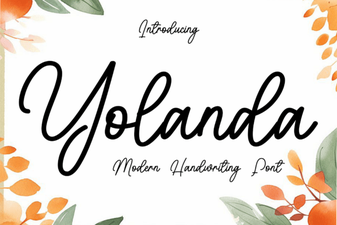 Introducing Yolanda Font: a Fresh Modern Design Choice
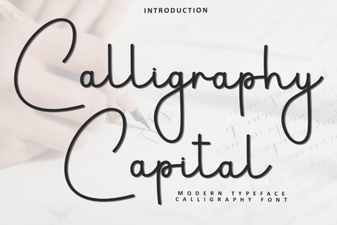 Creative Capital Fonts for Modern Calligraphy Projects
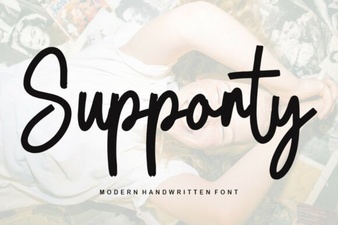 Supporty Font: a Modern Design Companion
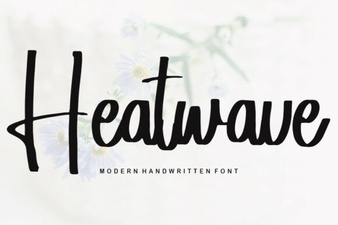 Heatwave Font: Bold Designs & Creative Projects
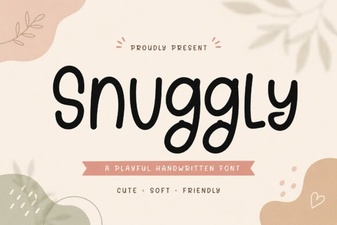 Snuggly Font: Projects for Creative Design