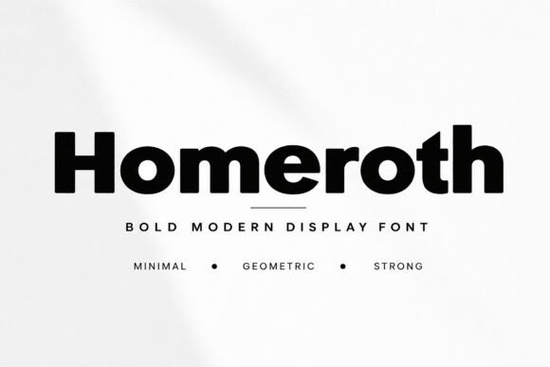
When you need a typeface that commands attention without feeling cluttered, finding the right balance is key. The Homeroth Font offers exactly that kind of presence. It is built with strong geometric shapes and clean curves, making it a solid choice for modern branding projects. Designers often look for letters that hold their weight on a screen or a package, and this typeface delivers that stability. Whether you are working on a logo for a tech startup or a headline for a fashion label, the structure here supports a professional look.
Many creative hobbyists and small business owners struggle to find fonts that feel premium but remain readable. This typeface solves that by keeping proportions balanced. The minimalist structure ensures that even at smaller sizes, the characters remain distinct. It avoids unnecessary flourishes, which helps maintain clarity across different mediums. If you are creating social media graphics, the bold strokes stand out well against busy backgrounds. For print materials like posters or packaging, the ink distribution feels even, preventing the text from looking too heavy or too light.
What Makes This Typeface Suitable for Branding?
Branding requires consistency, and a reliable display font provides a strong foundation for visual identity. The confident aesthetic of this font helps establish trust with an audience. When customers see clean lines and modern shapes, they often associate those traits with efficiency and quality. This is particularly useful for beauty brands or lifestyle projects where image is everything. You can pair it with a simpler sans-serif for body text to create a hierarchy that guides the reader's eye naturally.
It is also versatile enough to handle various color schemes. Because the shapes are geometric, they work well in monochrome layouts as well as vibrant, multi-colored designs. If you are building a style guide, this typeface can serve as the primary voice for headlines and logos. It reduces the need for excessive decoration, allowing the content itself to shine. For those exploring our library, you might also browse our display font collection to see how it fits among similar styles.
How Does It Perform in Print and Digital Media?
One common concern with bold fonts is how they translate from screen to paper. This font maintains its integrity well in both environments. On digital platforms, the clean curves render sharply on high-resolution displays. There is no pixelation or blurring that often plagues weaker typefaces. In print, the strong geometric forms ensure that the letters do not lose definition during the printing process. This reliability saves time on adjustments before sending files to production.
For print-on-demand sellers, consistency is vital. Whether printing on a t-shirt or a mug, the design needs to look intentional. The balanced proportions here prevent the text from appearing cramped on smaller products. It also scales up nicely for large format prints like banners. If you need something with a bit more personality for specific campaigns, you might compare it with other options like the edgier alternatives we have reviewed previously.
Are There Similar Styles to Consider?
While this font is strong on its own, having options is always good for different project phases. Sometimes a project requires a softer touch while maintaining a modern feel. In those cases, looking at playful display options can provide a nice contrast for secondary elements. If your brand leans more towards corporate or technical services, you might prefer something stricter. We have analyzed structured typefaces that offer a more rigid grid system for those needs.
For designers who enjoy experimenting with weight and variation, there are other geometric choices available. Some projects benefit from a slightly narrower structure, while others need more width. Exploring similar geometric styles can help you find the perfect match for your specific layout constraints. It is important to test how these fonts interact with your existing logo marks. Sometimes a slight adjustment in tracking makes a significant difference in the overall composition.
What Should You Know Before Downloading?
Before adding any new typeface to your toolkit, check the license terms to ensure they match your intended use. Most modern fonts allow for commercial projects, but it is always wise to verify. Install the files on your system and test them in your preferred design software. Look at how the kerning behaves between specific letter pairs. You may need to make manual adjustments for logos to ensure optimal spacing.
Keep your font library organized so you can find the right tool quickly. Tagging files by style or project type saves hours of searching later. If you plan to use this for client work, ensure you have the proper desktop or web license. Good typography is an investment in your brand's perception. Taking the time to choose the right weight and style pays off in the long run.
Quick Checklist for Using Display Fonts:
- Test readability on mobile devices before finalizing.
- Check license permissions for commercial use.
- Pair with a simple body font for balance.
- Adjust kerning manually for logos.
- Save web-ready formats for online projects.
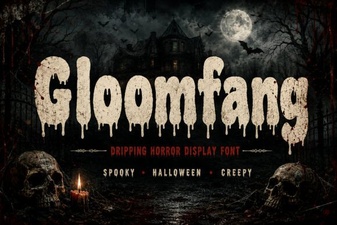 Gloomfang Font: a Designer's Gothic Typography Guide
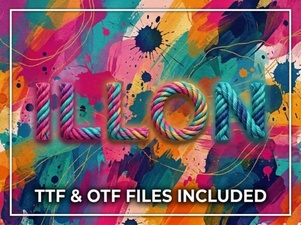 Illon Font: Creative Projects & Typography Ideas
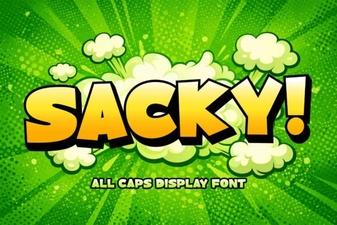 Download Sacky Font for Creative Designs & Typography
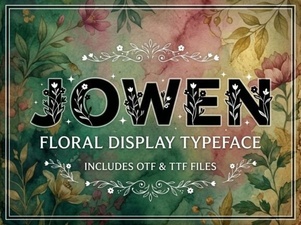 Jowen Font: a Modern Brush Script for Creative Projects
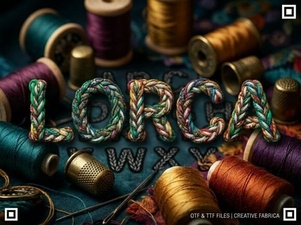 The Lorca Font: Modern Web Typography
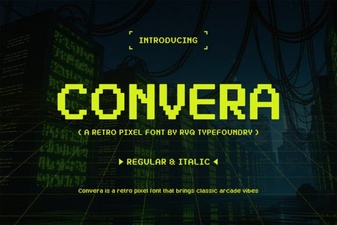 Convera Font: Design Ideas for Creative Projects