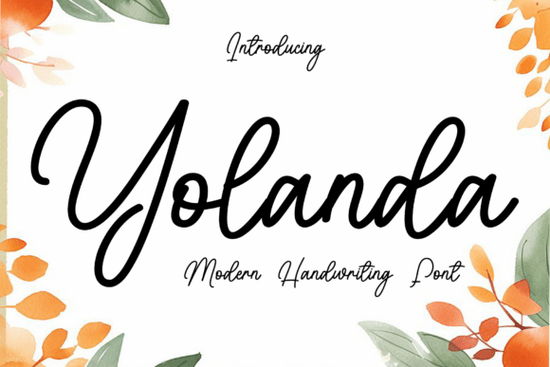
Finding the right typography for a project often comes down to the feeling you want to convey. When you need something approachable and warm, a handwritten style is usually the best choice. The Yolanda Font is a great example of this category. It offers a cute and casual vibe that feels incredibly friendly without trying too hard. Whether you are designing social media graphics or working on DIY crafts, this typeface helps turn simple ideas into visual art that connects with people.
Many creators struggle to find a script that looks authentic rather than robotic. This font solves that by mimicking the natural flow of a pen on paper. It works well for short phrases, quotes, and headlines where personality matters more than strict formality. Because it is casual, it invites the viewer to relax and engage with the content. This makes it a solid option for brands that want to appear accessible and human.
Where does this casual script fit best in your projects?
Understanding where to use a specific typeface saves time during the design process. This particular style shines in environments where friendliness is key. For instance, Instagram posts often benefit from text that feels personal. When you overlay this font on a lifestyle photo, it looks like a handwritten note rather than a corporate advertisement. This distinction helps build trust with your audience.
Beyond social media, DIY projects are another strong use case. If you are making planner stickers, greeting cards, or custom labels, the casual nature of the letters adds charm. It is also suitable for print-on-demand sellers creating t-shirts or mugs. The strokes are thick enough to remain legible when printed on fabric or ceramic, provided the background color offers enough contrast. Always test your design at full size before finalizing a product listing to ensure clarity.
Legibility is crucial when using scripts. While this font is decorative, it maintains enough structure to be read quickly. Avoid using it for long paragraphs of text. Instead, reserve it for headlines or call-to-action buttons where you want to draw the eye. Pairing it with a simple sans-serif for body text creates a balanced layout that is easy to scan.
What other fonts pair well with handwritten styles?
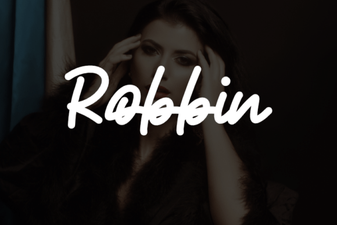
Choosing supporting typefaces is just as important as selecting the main script. You want combinations that complement rather than compete. If you enjoy the flow of this style, you might appreciate exploring options like the Robbin font for a similar casual energy. Having a few scripts in your library allows you to switch things up depending on the mood of the project.
Contrast is key when mixing fonts. If your main headline is thick and playful, try pairing it with something thinner for subheadings. Styles seen in Skinny Deco can provide that delicate balance without overwhelming the design. This technique keeps the layout interesting while maintaining readability across different devices.
Sometimes you need something that feels even cozier. For projects focused on warmth, such as baby shower invitations or home decor signs, looking at styles like Snuggly might inspire your pairing choices. The goal is to ensure all elements feel like they belong to the same family. Consistency in tone helps your brand look professional even when using playful typography.
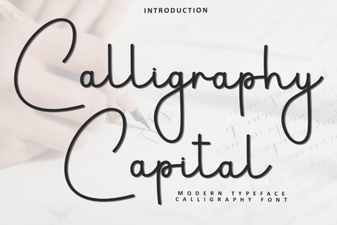
For capital letters and headers, you might need something with more structure. Resources like Calligraphy Capital can offer strong opening letters that ground the design. This works well when you need a mix of uppercase and lowercase elements in a single logo or badge. Finally, ensure your body text has strong support. Fonts like Supporty are designed to handle longer text blocks, ensuring your audience can read the details without strain.
Can you use this for commercial products like POD?
Most designers want to know if a font license allows for commercial use. Typically, fonts found on marketplaces like Creative Fabrica come with licenses that permit use on physical end products. This means you can print the text on shirts, mugs, or bags and sell them. However, you cannot redistribute the font file itself. Always read the specific license terms included with your download to confirm permissions.
When preparing files for print-on-demand, vector formats are ideal. If the font comes with OTF or TTF files, you can install them on your computer and use them in software like Illustrator or Canva. Make sure to outline the text before exporting your final design. This prevents any missing font errors when uploading to platforms like Etsy or Shopify. It also ensures the letters look exactly as you designed them, regardless of the customer's device.
Testing is essential before launching a product line. Order a sample of your item to check how the ink sits on the material. Some fabrics might cause thin lines to blur, so adjusting the stroke weight might be necessary. A little extra effort during the proofing stage prevents returns and ensures customer satisfaction.
Quick Checklist for Using Handwritten Fonts
- Check Legibility: Ensure the text is readable at small sizes on mobile screens.
- Verify License: Confirm commercial rights before selling physical products.
- Outline Text: Convert text to paths before exporting for print to avoid errors.
- Test Contrast: Make sure the font color stands out against the background.
- Order Samples: Always check physical quality before listing items for sale.
By following these steps, you can integrate friendly typography into your workflow confidently. The right font choice simplifies the design process and helps your creations stand out in a crowded market. Start by experimenting with different pairings to see what resonates with your specific audience.
Get Started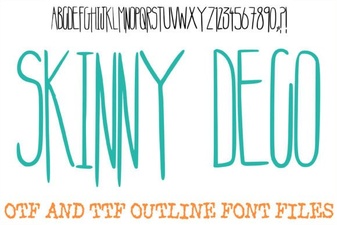 The Skinny Deco Font for Modern Graphic Design
 Robbin Font: Creative Typeface Ideas and Applications
 Creative Capital Fonts for Modern Calligraphy Projects
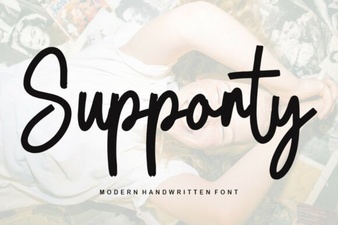 Supporty Font: a Modern Design Companion
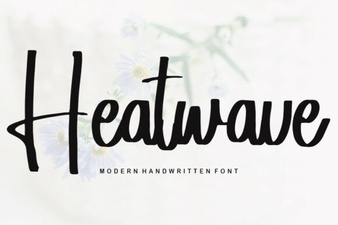 Heatwave Font: Bold Designs & Creative Projects
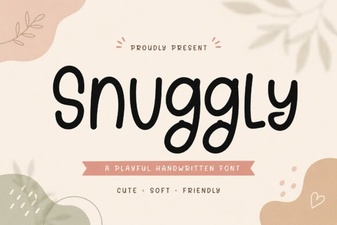 Snuggly Font: Projects for Creative Design